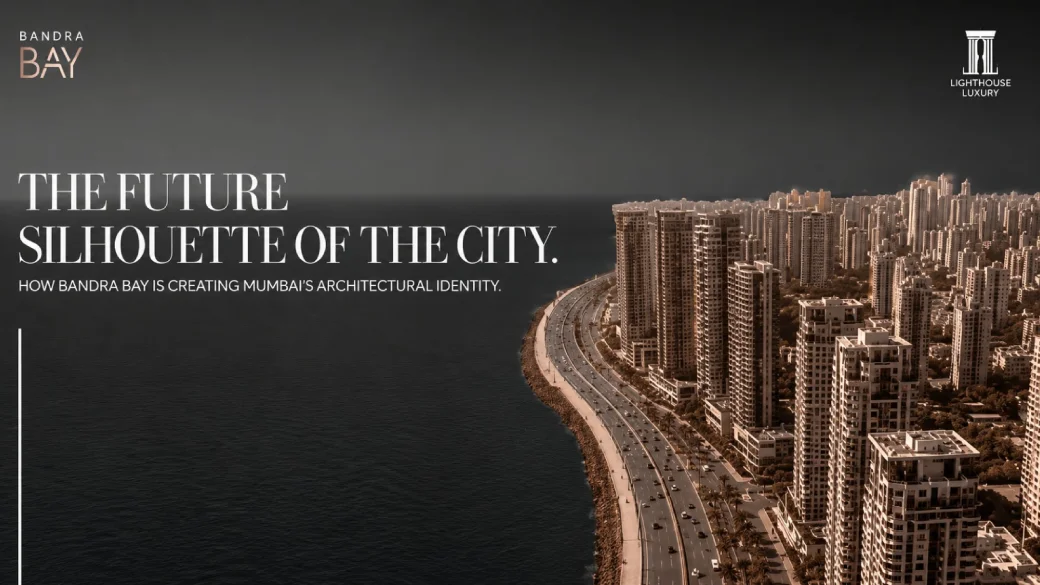
Why Bandra Bay Is India's Marina Bay Moment?
Every great global city has a defining waterfront - a place that captures its ambition, identity, and sense of possibility. Singapore has Marina Bay. Dubai has Dubai Marina. London has Canary Wharf.
Why Bandra Bay Is India's Marina Bay Moment?
Every great global city has a defining waterfront - a place that captures its ambition, identity, and sense of possibility. Singapore has Marina Bay. Dubai has Dubai Marina. London has Canary Wharf. For decades, Mumbai lacked a modern, integrated waterfront district that reflected the scale of its economy and the global character of its people.
That changes with Bandra Bay.
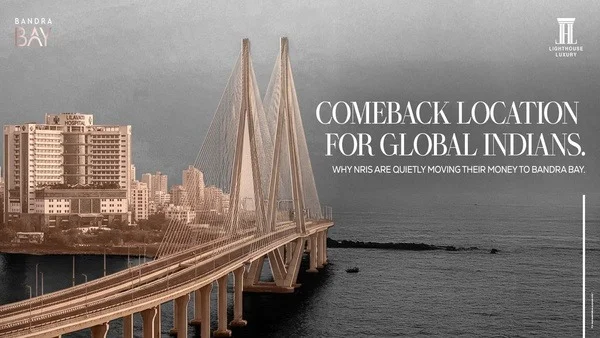
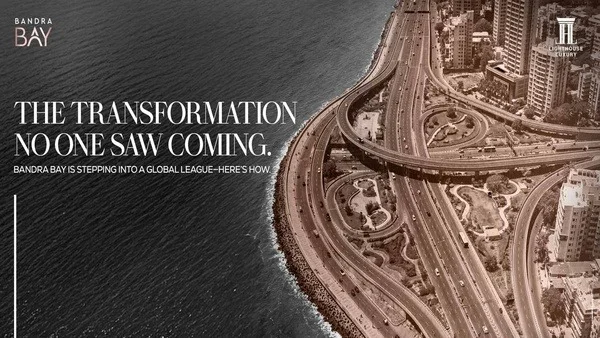
Across nearly 8 million sq.ft. of planned development at Bandra Reclamation, Mumbai is building a next-generation coastal district powered by infrastructure, luxury-led urban planning, and a public realm designed to reconnect the city to the sea. The transformation underway here has all the ingredients of a world-class waterfront moment - the kind that reshapes an entire city's trajectory.
This is why Bandra Bay is widely seen as India's Marina Bay moment.
1. What Makes Marina Bay a Global Benchmark?
To understand the significance of Bandra Bay, it helps to first understand why Marina Bay in Singapore became a global reference point for waterfront development.
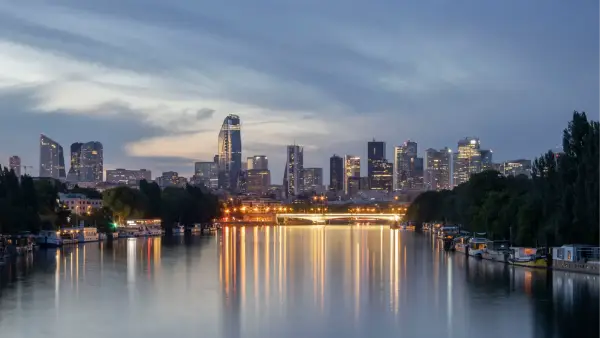
Marina Bay wasn't just a real estate zone; it was a city-defining intervention. Singapore envisioned a mixed-use district that blended financial powerhouses, iconic architecture, public gardens, and a transport system engineered with near-surgical precision. The Marina Bay Sands resort, Gardens by the Bay, the Merlion Park, and a skyline that looks sculpted were all part of a master plan executed over two decades.
Three principles defined Marina Bay's success:
- Integrated planning: transport, public spaces, and buildings designed as one ecosystem.
- Bold architecture: structures that became global symbols.
- Economic purpose: a district built to attract business, tourism, investment, and global attention.
Bandra Bay is attempting something similar - on Mumbai's terms.
2. The Bandra Bay Vision: India's Answer to a Global Idea
Mumbai has never been short of ambition, but it has often struggled to express that ambition physically. Bandra Bay finally delivers the blueprint for a waterfront that matches the city's global stature.
Here's what the vision looks like:
- Coastal luxury living anchored by top national developers.
- Mixed-use districts with retail, recreation, hospitality, and cultural spaces.
- A modern public promenade connecting Mahim Causeway to the Bandra-Worli Sea Link.
- Architecture designed for skyline impact, not just functionality.
- Walkable public spaces, cycling tracks, and open-air zones designed for everyday use.
Where earlier redevelopment in Mumbai focused on vertical growth, Bandra Bay focuses on horizontal experience - how people live, walk, commute, and spend time along the sea. This echoes the philosophy behind Marina Bay: a waterfront built not just for residents or offices, but for the entire city.
3. Scale & Ambition: How Bandra Bay Stacks Up
Bandra Bay's credibility doesn't come from hype; it comes from scale and composition.
Where Marina Bay has around 360 hectares of planned waterfront, Bandra Bay brings together:
- 140+ acres of prime coastal land
- 8 million sq.ft. of development potential
- A curated developer roster that includes Adani, Hiranandani, Oberoi, Godrej, L&T, and more
- A multi-phase timeline allowing for organic growth and progressive value appreciation
- A blend of residential, retail, leisure, and civic infrastructure
What sets Bandra Bay apart from other Mumbai projects is its master-planning approach. Rather than isolated towers, the precinct is being shaped as a cohesive, design-led district - a strategy that propelled Marina Bay into global relevance.
Add to this the reclamation's natural constraints (no additional land can ever be added), and you have an ecosystem designed around scarcity, which naturally strengthens future value.
4. Infrastructure Backbone: The Catalyst for Everything
Marina Bay's success was built on world-class transit - the MRT, expressways, pedestrian networks. Bandra Bay is being positioned on similar foundations.
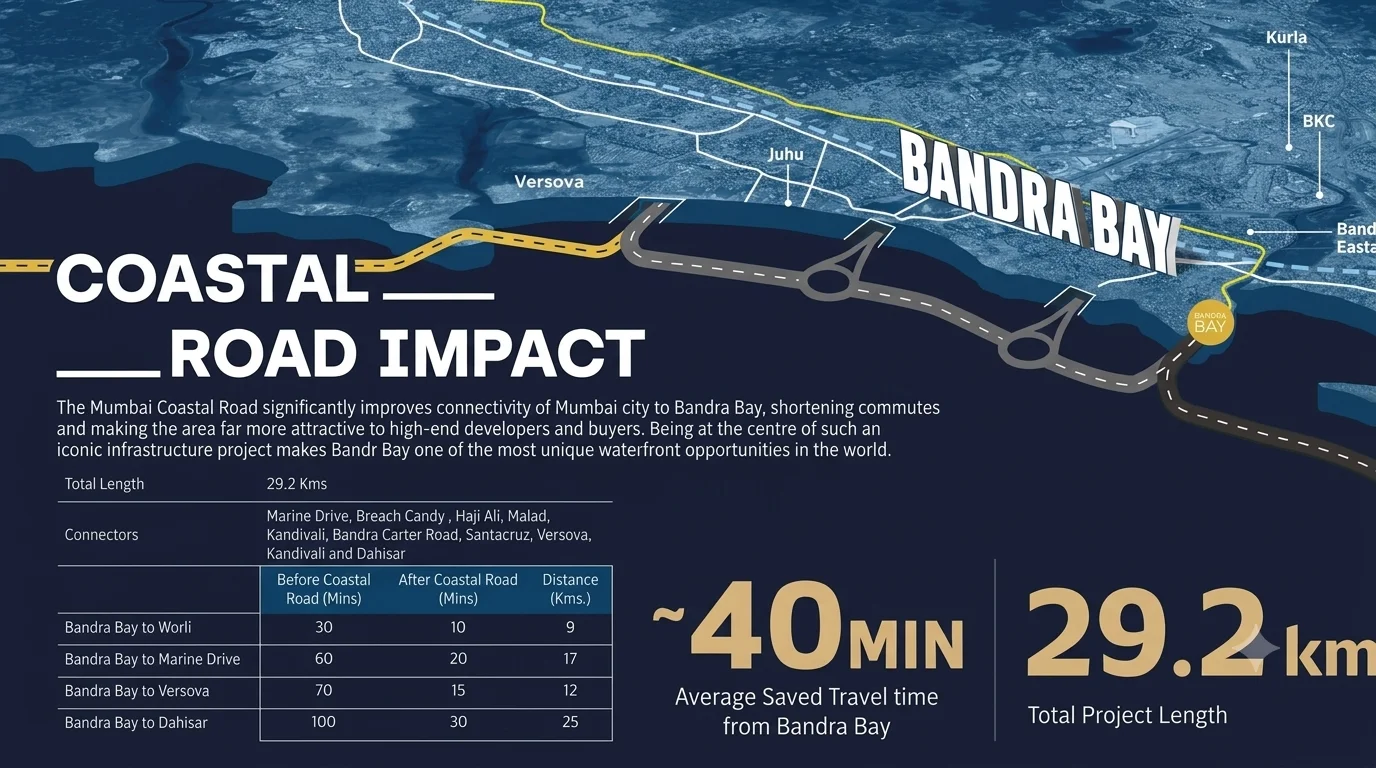
Coastal Road -> South Mumbai in minutes
The Coastal Road extension linking Marine Drive to Bandra Reclamation is the single most impactful infrastructure upgrade for Mumbai's west coast. It compresses travel times dramatically and gives Bandra Bay near-seamless connectivity to South Mumbai.
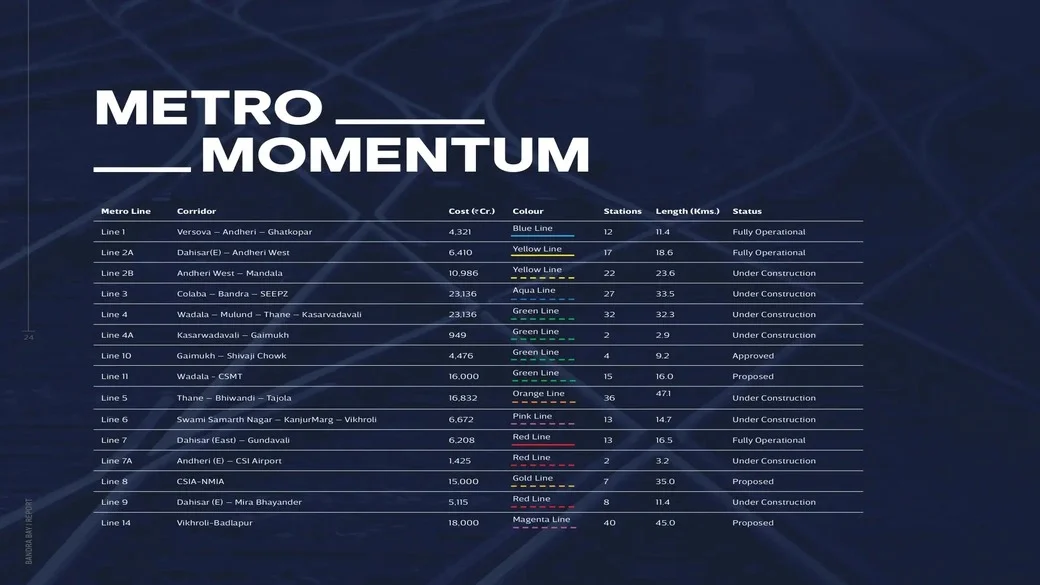
Metro Lines 2B & 3 -> A new transit spine
Once operational, these lines will plug Bandra Bay directly into:
- BKC
- Cuffe Parade
- South Mumbai
- Dahisar
- Airport corridors
This is the first time a major Mumbai waterfront will become transit-first, not just road-dependent.
Atal Setu & MTHL -> Cross-bay connectivity
With Atal Setu and the Mumbai Trans Harbour Link, movement between western Mumbai, Navi Mumbai, and upcoming airport districts becomes effortless - a massive advantage for global families and corporates.
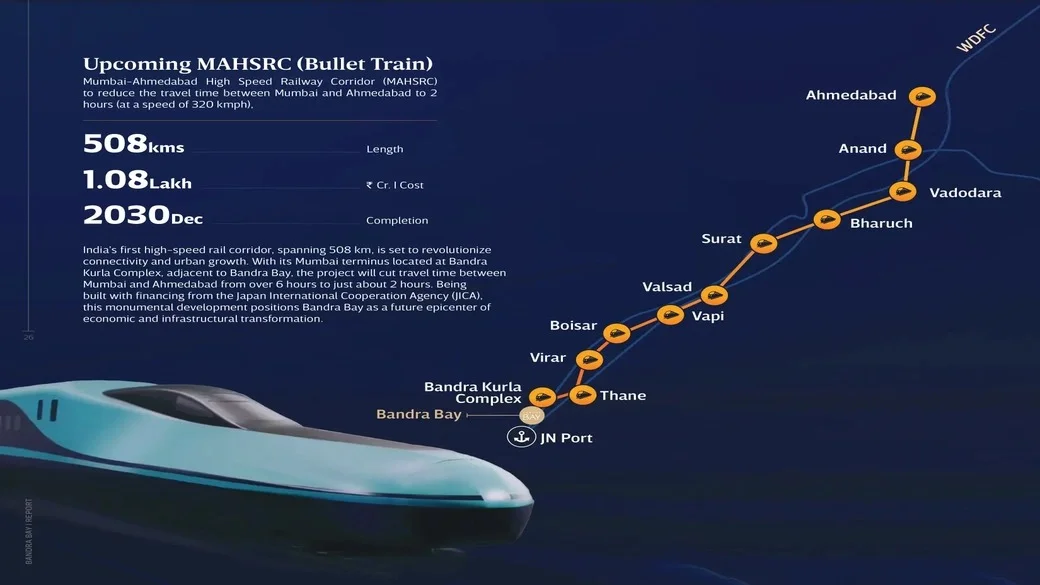
Bullet Train Influence -> Regional integration
Though not directly connected, the high-speed rail terminus adds long-term economic gravity to Mumbai's western corridor - the exact pattern seen in Singapore when regional connectivity strengthened Marina Bay's commercial pull.
Together, these upgrades ensure Bandra Bay isn't just a luxury zone - it's a mobility hub, something Singapore executed flawlessly with Marina Bay.
5. Economic & Lifestyle Impact: The Emergence of a New Power District
Marina Bay became Singapore's most valuable district not just because of how it looked, but because of how it changed the city's economic map. Bandra Bay has similar potential.
A new magnet for HNIs, CXOs, and NRIs
High-end buyers are already shifting their focus from Worli, Juhu, and Bandra West toward the curated luxury, new inventory, and infrastructure-led promise of Bandra Bay.
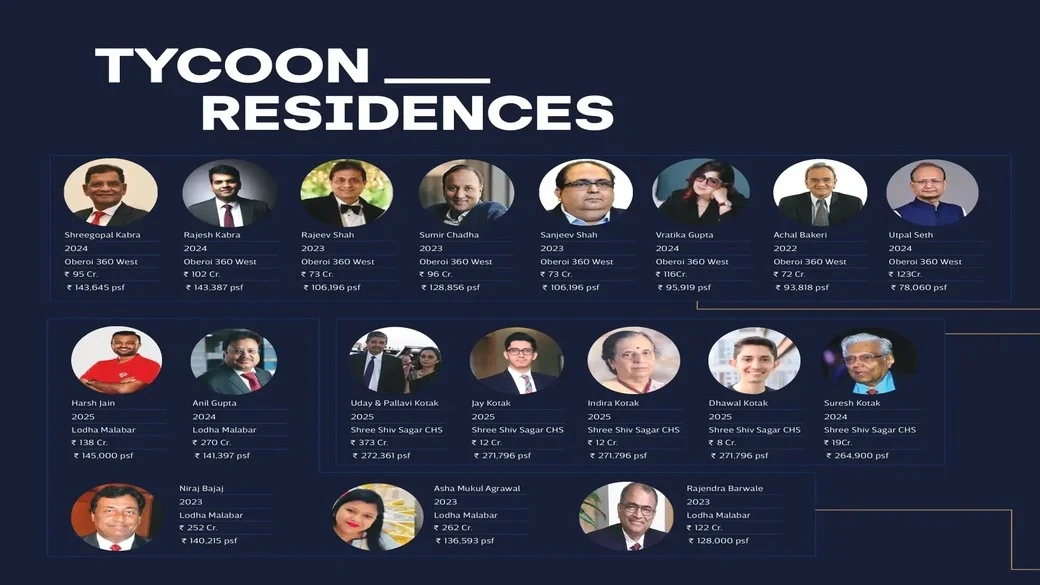
The rise of Mumbai's next high-value neighbourhood
Bandra Bay brings together elements rarely found in one place:
- Modern high-rises
- Large-format apartments
- Global-standard amenities
- Seamless connectivity
- Full-time waterfront access
Retail + culture + leisure in one district
With promenades, curated retail spaces, cafes, jogging tracks, and viewing decks, the area will offer an everyday lifestyle experience that Mumbai's older waterfronts cannot match.
Price uplift trajectory mirrors Marina Bay's early years
Marina Bay saw its most aggressive price acceleration within 5-10 years of key infrastructure completion. Bandra Bay is entering that same window - backed by demand, scarcity, and branding.
6. Environmental & Planning Parallels
Singapore's Marina Bay is one of the world's most environmentally advanced waterfronts - a model that blends engineering with ecology. Bandra Bay draws from similar principles:
- CRZ-compliant project planning
- Low-density zoning to avoid overloading the reclaimed soil
- Green buffer zones to absorb monsoon impact
- Stormwater channels and tidal vents integrated into street design
- Open public access as a core part of the plan, not an afterthought
This marks a shift in Mumbai's coastal planning - prioritising resilience instead of simply reclaiming land and building reactively. Bandra Bay's environmental strategy is not a copy of Marina Bay, but a local adaptation for Indian conditions.
7. Risks & Realities: What Mumbai Must Get Right
For Bandra Bay to truly become India's Marina Bay moment, key execution challenges must be addressed:
- Timely delivery of Coastal Road and Metro Lines
- Strict environmental compliance
- Maintenance of public spaces (a common failure point in Indian cities)
- Coordinated development pacing across multiple developers
- Clear brand identity for the district to avoid fragmented perception
Waterfronts require governance, maintenance, and vision - Marina Bay had all three. Bandra Bay must match that discipline to fully realize its potential.
8. The Verdict: Why This Is India's Marina Bay Moment
For the first time in Mumbai's history, a waterfront project is emerging with:
- Holistic urban planning
- Integrated infrastructure
- Public realm design
- Global branding potential
- A curated developer ecosystem
That combination simply did not exist before.
Bandra Bay is not "like" Marina Bay because of superficial similarities. It is comparable because it represents a moment - a decisive shift where a city aligns its engineering, real estate, environment, and identity to create something iconic.
Singapore had its Marina Bay moment. India's may very well be unfolding right here, on the shores of Bandra Bay.
Explore more: -> The Definitive Guide to Bandra Bay (2025-2035)
FAQs
Q: Why is Bandra Bay compared to Marina Bay in Singapore?
A: Bandra Bay is seen as India's Marina Bay moment because of its scale, modern planning, luxury-led design, and deep integration with major infrastructure projects like the Coastal Road and Metro Lines 2B & 3. These elements mirror how Singapore transformed its Marina Bay waterfront into a global landmark.
Q: Where is Bandra Bay located in Mumbai?
A: Bandra Bay is located along the Bandra Reclamation coastline between Mahim Causeway and the Bandra-Worli Sea Link, forming a key gateway between Mumbai's Western Suburbs, BKC, and South Mumbai.
Q: What makes Bandra Bay a high-value real estate destination?
A: Its advantages include premium waterfront land, a curated lineup of top developers, new luxury housing supply, major upcoming infrastructure, and proximity to business hubs like BKC, Worli, and the emerging Mumbai coastal corridor.
Q: How will the Coastal Road impact Bandra Bay?
A: The Coastal Road dramatically reduces travel time from Bandra Bay to South Mumbai, making the precinct one of the most connected waterfront districts in the city and boosting long-term capital appreciation.
Q: Is Bandra Bay a good investment for HNIs and NRIs?
A: Yes. High demand for luxury waterfront housing, limited supply, strong connectivity upgrades, and long-term appreciation potential make Bandra Bay a strong investment choice for both HNIs and NRIs.
Q: What is the development scale of Bandra Bay?
A: The Bandra Bay master plan covers approximately 8 million sq.ft. of residential, retail, and public space development - Mumbai's largest modern waterfront project.